


Cava and Wine in Catalonia: A Guide to Local Wine Traditions
Catalonia has a long-standing relationship with wine that forms an important part of its history, gastronomy and cultural identity. From the sparkling wines produced in the Penedès region to the distinctive red wines of Priorat, Catalan winemaking reflects the diversity of its landscapes, climate and local traditions.
Wine production in Catalonia goes far beyond the vineyards themselves. It is connected to traditional agriculture, family-owned estates, local cuisine and generations of knowledge passed down through winemaking families.
For visitors exploring Barcelona and its surroundings, understanding the origins of Catalan wine and Cava offers an interesting insight into the region's heritage. The countryside surrounding the city is home to historic wine-producing areas where local grape varieties, traditional cellars and distinctive production methods have shaped the identity of Catalan wines.
The History and Heritage of Wine in Catalonia
Wine production in Catalonia dates back to ancient times, with the Romans playing an important role in the development of viticulture across the Mediterranean.
Over the centuries, wine-growing traditions expanded throughout the region, adapting to different geographical conditions and agricultural practices.
Today, Catalonia has several recognised wine appellations, each producing wines with distinctive characteristics. These include Penedès, Priorat, Montsant, Empordà, Terra Alta and Costers del Segre.
The diversity of these wine-producing areas is one of the most interesting aspects of Catalan viticulture. Coastal vineyards benefit from Mediterranean influences, while inland areas and mountainous landscapes offer different conditions for growing grapes.
This variety has helped establish Catalonia as one of Spain's most distinctive wine-producing regions.
Cava: Catalonia's Traditional Sparkling Wine
Among the most recognisable products of Catalan gastronomy is Cava, a sparkling wine closely associated with the Penedès region.
Its modern history began in the nineteenth century, when local producers adopted the traditional method of sparkling wine production, known as the traditional method or méthode traditionnelle.
The process involves a second fermentation inside the bottle, creating the natural bubbles that characterise this type of sparkling wine.
Three traditional grape varieties play a particularly important role in classic Cava production:
-
Macabeu: Contributes freshness and delicate aromas.
-
Xarel·lo: Provides structure, body and complexity.
-
Parellada: Adds elegance and aromatic freshness.
The ageing process also influences the final character of Cava. Depending on the time spent ageing, different styles can develop more complex aromas and flavours.
Cava is traditionally associated with celebrations and special occasions, but it also has an important place in Catalan gastronomy. Its freshness makes it suitable for pairing with seafood, rice dishes, cheeses, tapas and Mediterranean cuisine.
Penedès: The Historic Home of Cava and Catalan Winemaking
Located southwest of Barcelona, Penedès is one of the most important wine-producing areas in Catalonia.
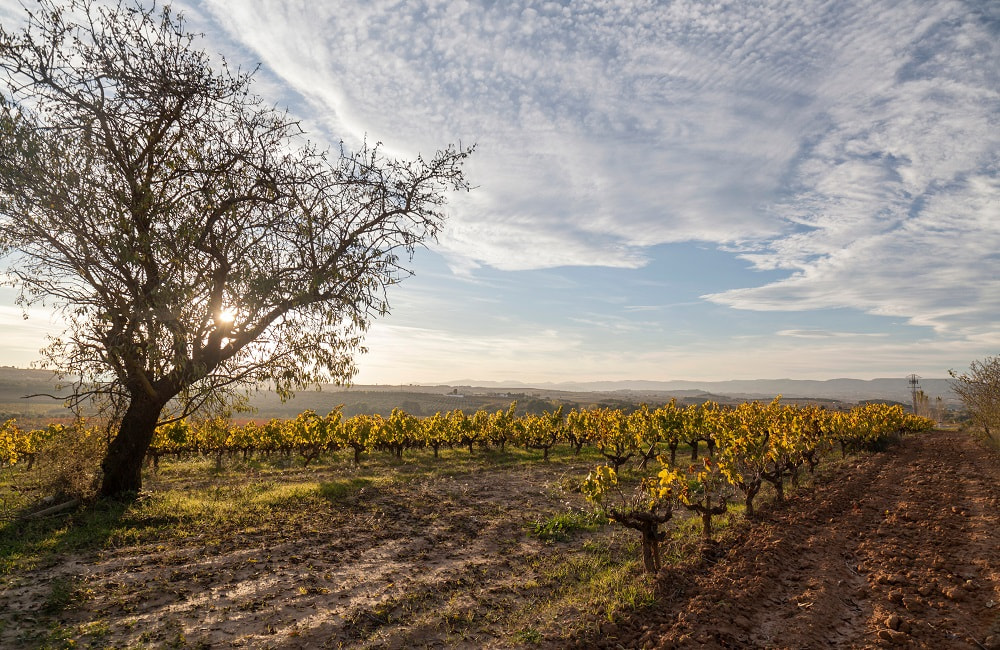
Its landscape is characterised by extensive vineyards, traditional agricultural estates and wineries that have helped preserve the region's winemaking heritage.
Although Penedès is particularly famous for Cava, it also produces a wide variety of still wines, including white, rosé and red varieties.
Among the grapes cultivated in the region are Xarel·lo, Macabeu, Parellada, Chardonnay, Garnacha and Tempranillo.
One of the most interesting aspects of Penedès is the coexistence of historic family wineries and modern wine producers. Some estates maintain traditional production techniques, while others experiment with new approaches to fermentation, ageing and grape cultivation.
The region also has a strong gastronomic identity. Local cheeses, cured meats, seasonal vegetables and traditional Catalan dishes are frequently enjoyed alongside its wines.
Visitors interested in discovering this heritage can explore the region through experiences such as the Wine and Cava Tasting with Tapas in Penedès, which combines local wine traditions with Catalan gastronomy.
The Montserrat Mountains and the Wine-Producing Landscape of Catalonia
Montserrat is one of the most recognisable natural and cultural landmarks in Catalonia.
Its unusual rock formations, Benedictine monastery and spectacular mountain scenery have made it an important destination for visitors interested in Catalan history and heritage.
Although Montserrat is not itself a principal Cava-producing area, its location makes it possible to combine a visit to the mountain with an exploration of nearby wine-producing areas.
This connection between cultural landmarks and agricultural traditions offers a different perspective on the Catalan countryside.
A journey combining these two aspects of the region can include a visit to Montserrat followed by an introduction to local sparkling wine traditions.
For visitors interested in experiencing both destinations, the Montserrat and Cava Tour from Barcelona brings together Catalonia's cultural heritage and its wine-producing traditions.
Priorat: A Distinctive Landscape of Mediterranean Red Wines
Located in the province of Tarragona, Priorat is one of Catalonia's most prestigious wine-producing areas.
Its dramatic landscape is characterised by steep vineyard terraces, rugged mountains and distinctive slate soils known locally as llicorella.
These geological conditions, together with the region's Mediterranean climate, contribute to the distinctive character of its wines.
Priorat is particularly famous for its red wines, mainly produced from Garnacha and Cariñena grapes.
The region received international recognition for the quality and concentration of its wines, becoming one of Spain's most respected wine appellations.
Unlike the extensive vineyard landscapes found in some other wine-producing areas, Priorat is known for its smaller plots, steep slopes and challenging cultivation conditions.
These characteristics make wine production particularly demanding and contribute to the individuality of each estate.
The region is also home to picturesque villages such as Gratallops, Porrera and Poboleda, where traditional architecture and wine culture remain closely connected.
For those interested in discovering this wine-producing landscape and its prestigious wineries, the Priorat Wine VIP Tours offer an opportunity to explore the region's distinctive wine heritage.
Catalan Grape Varieties and Their Characteristics
One of the most interesting ways to understand Catalan wine culture is through its indigenous grape varieties.
Although international grapes such as Cabernet Sauvignon, Merlot and Chardonnay are also cultivated in Catalonia, local varieties remain essential to the region's wine identity.
Some of the most important include:
Xarel·lo
One of the principal grape varieties used in traditional Cava production. It is appreciated for its structure, freshness and ability to produce wines with good ageing potential.
Macabeu
A traditional white grape variety known for its delicate aromas and balanced acidity. It is widely associated with sparkling wine production.
Parellada
A white grape traditionally cultivated at higher altitudes. It contributes freshness and elegance to Cava blends.
Garnacha
An important Mediterranean grape variety used to produce both red and rosé wines. It is particularly significant in Priorat and other Catalan wine regions.
Cariñena
Known locally as Samsó in Catalonia, this variety is valued for its structure, acidity and contribution to complex red wines.
Together, these grapes reflect the diversity of Catalan wine production and the relationship between local agriculture and the region's natural environment.
Catalan Wine and Gastronomy: A Mediterranean Tradition
Wine has always played an important role in Catalan gastronomy.
Traditional meals often bring together seasonal ingredients, local produce and wines selected to complement the flavours of the dishes.
Cava is particularly versatile when paired with seafood, rice dishes, fried foods and traditional appetisers.
White wines from Penedès can accompany fish, vegetables and lighter Mediterranean recipes, while the structured red wines of Priorat are often enjoyed with roasted meats, mature cheeses and traditional meat dishes.
Tapas and small plates are another important part of this gastronomic culture. Products such as Iberian cured ham, local cheeses, olives, bread with tomato and seasonal ingredients offer an excellent introduction to Catalan flavours.
This relationship between wine and food is one of the reasons why exploring Catalonia's wine-producing areas provides more than an introduction to winemaking: it also reveals an important part of the region's culinary identity.
Discovering Catalonia Beyond Its Wine Traditions
Catalonia offers a remarkable variety of landscapes, cultural attractions and gastronomic traditions.
From the vineyards of Penedès to the mountainous scenery of Montserrat and the dramatic wine-growing terraces of Priorat, each destination reveals a different aspect of the region.
For visitors staying in Barcelona, these areas provide an opportunity to discover the countryside and understand how local agriculture, history and gastronomy have shaped Catalan identity.
Wine is also closely connected to the lifestyle and traditions that make the region an interesting destination for couples and international travellers.
For those planning a special visit to the city, our guides to honeymoon ideas in Barcelona and romantic holidays in Barcelona offer further inspiration for discovering the city and its surroundings.
Explore the Wine Regions of Catalonia from Barcelona
Understanding Catalan wine culture is an excellent way to discover another side of the region.
Whether it is the traditional sparkling wine of Penedès, the cultural significance of Montserrat or the distinctive red wines of Priorat, each destination has its own history and character.
If you would like to discover these wine-producing areas in person, you can explore the different experiences available through Barcelona Wine Tours.
Discover the landscapes, wineries and gastronomic traditions that make Catalonia one of Spain's most interesting wine-producing regions.